Chapter 2: Second Half
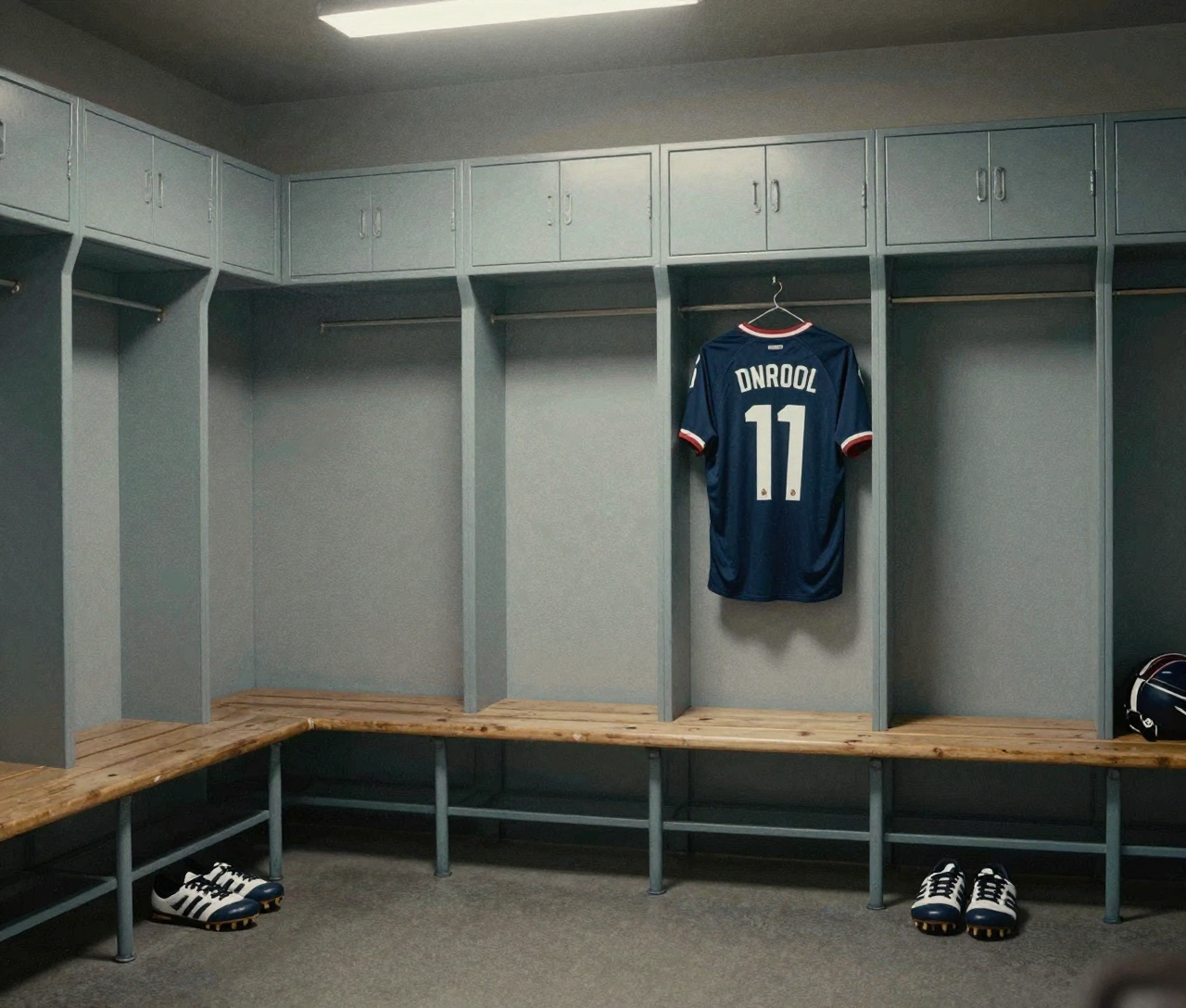
At half-time, they were losing one-nil.
The goal had come from a mistake that was Marcus's fault, technically — he had overcommitted in a challenge thirty yards from goal, won the ball but lost his balance, and the space behind him had been exploited with a surgical precision that felt almost insulting. The opposition striker had not even needed to rush. He had simply arrived into the gap like a man who had been waiting for exactly this, taken one touch, and placed the ball with the quiet certainty of someone completing a long sentence.
One-nil. A fair reflection. Marcus knew this. That made it worse.
The manager said very little at half-time.
This was unusual, and therefore frightening. He stood at the front of the dressing room with his hands in his pockets and looked at each of them in turn — the kind of look that contained more than disappointment, contained something more complicated, something like grief — and then he said: You know what needs to change.
That was all.
They went out for the second half into the same rain.
Marcus equalised in the seventy-third minute.

A cross from the right, the kind that hangs in the air long enough for a defender to make a decision and a forward to make a better one. Marcus had started his run early, read the flight instinctively, arrived at the ball at the exact moment it expected to be met — and headed it into the bottom corner with a precision he would not be able to explain afterward.
He stood for a moment with his arms out.
The crowd made a sound.
He had scored goals before — many of them, in better games, for higher stakes — but this one, in this rain, in this particular minute of his career, felt different. Felt like a reply. Like a sentence completed across a very long silence.
One-all.
The game was not over.
Neither was anything else.