Epilogue
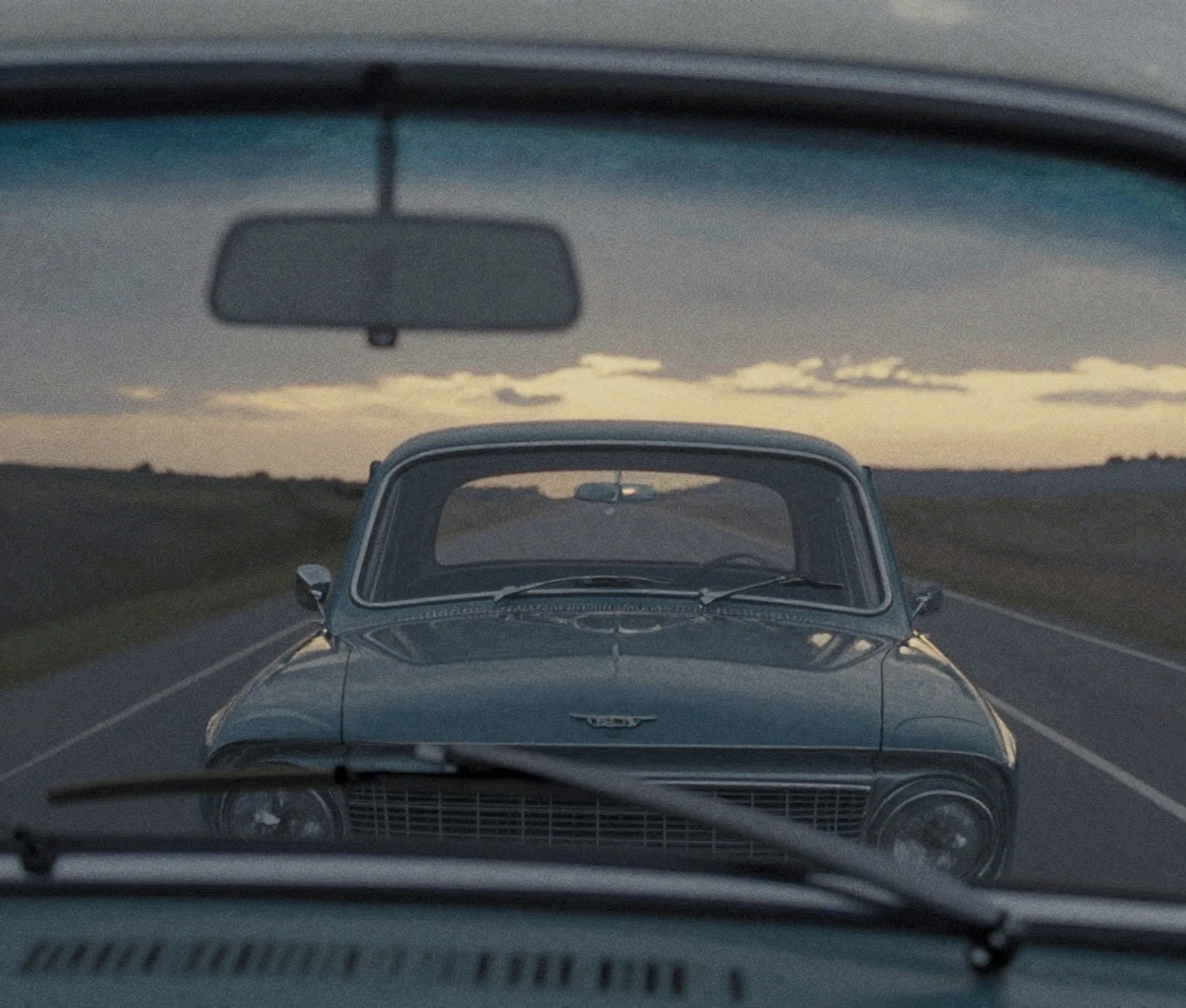
The Drive
They drove home in the car his father had borrowed from a neighbour, because theirs was in the garage with a broken alternator.
It was an old Maruti 800, the colour of unmilked tea, and the driver's seat sagged in the shape of a man who was not Arjun's father. The radio did not work. The air conditioning had been disabled in some previous decade. They drove with the windows half-open and the warm evening air came in carrying the smells of frying onions, of diesel, of jasmine from someone's gate.
They had lost the match by eleven runs.
Arjun's thirty-one was the highest score in their innings. He would not remember this for another three years, when it would suddenly matter — when he would understand, only in the looking back, that the highest score in a losing cause is its own kind of marker, its own small monument; that some innings count more for what they refused to surrender than for what they finally achieved.
His father drove with both hands on the wheel, which he only did when he was thinking carefully about something.
The Light
At a red light, on the long road that ran beside the cantonment, his father said:
You ran hard between the wickets.
Arjun said:
We lost.
His father waited. The light, slow as small-town traffic lights are slow, did not change.
When it did, finally, change, and his father had eased the car forward through the intersection, he said:
Yes. That's not what I was talking about.
They drove on.
A boy on a bicycle overtook them at the next bend, his shirt billowing behind him, one hand on the handlebars, the other carrying a polythene bag of something — vegetables, perhaps, or bread for the evening. He glanced into the car as he passed. He saw a man and a boy, not speaking, the boy in cricket whites, the kit bag on the back seat. He thought, briefly, that they looked like a father and son who had just won something.
Then he was past, and pedalling, and gone.
The Things With No Name
There are things a game teaches that have no name in the rulebook.
- How to wait.
- How to fail publicly, and walk off a field anyway, with your bat under your arm, in front of the people who love you.
- How to sit beside someone in silence and let that be enough.
- How to recognise the moment a ball is going to take your edge before it has been released, and play it anyway, because there is no other choice, because the bowler has already begun his run-up, because the world will not pause for your prepared regret.
- How to receive applause for something that has already ended.
The coin had landed. The game had been played. Eleven runs separated victory from defeat — eleven runs which were not, in the larger arithmetic, very many, and were also, on this particular afternoon, exactly enough.
The afternoon light, as they drove, did what afternoon light does — fell long and golden across everything — and made the ordinary world look, for a moment, like the thing it actually is.
Sacred, Arjun would think, years later, when he tried to describe it.
But not in the religious sense. Sacred in the sense that it was, finally, simply there — visible, ordinary, unrepeatable.
Sacred in the sense that a father is sacred when he drives his son home in a borrowed car after a losing game, and says only one true thing the whole way.
The road curved. The light shifted. They drove on.
Somewhere behind them, on a ground that was now empty, the groundsman in faded blue overalls was rolling up the boundary rope for the night, and the white sight screens were being wheeled back into their corners, and the wooden bench inside the pavilion was settling into the cool of the evening — and the day, having happened, was finishing the long quiet business of becoming a memory.